
Moles
Moles are common skin growths that should be monitored for changes. At Pinnacle Dermatology, our dermatologists provide expert mole examination and treatment.
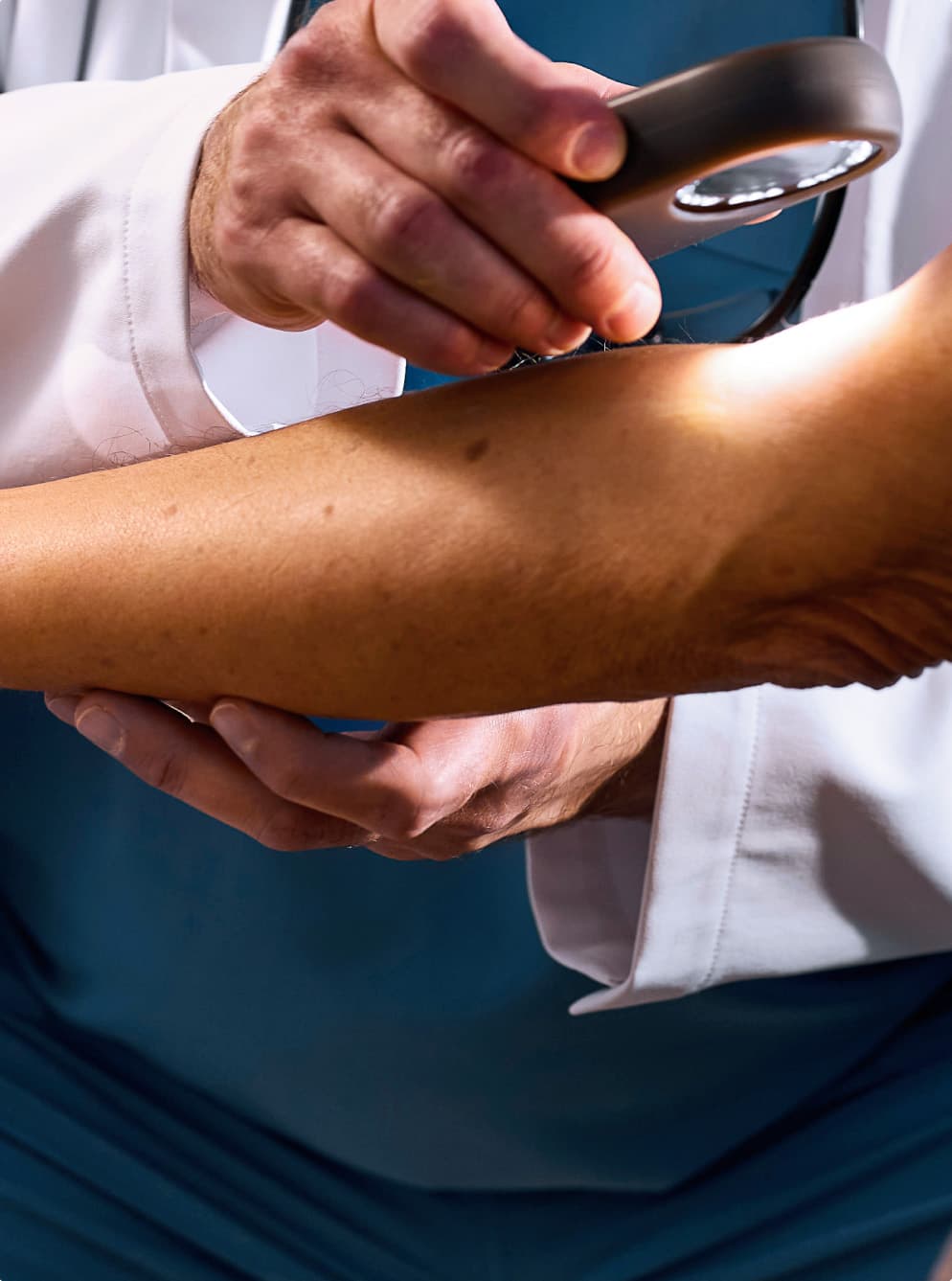

Moles are common skin growths that should be monitored for changes. At Pinnacle Dermatology, our dermatologists provide expert mole examination and treatment.
What are Moles?
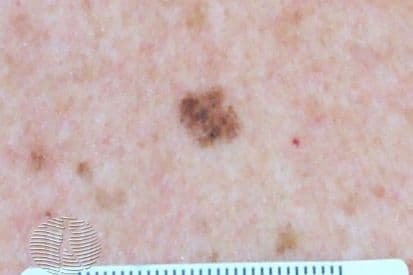
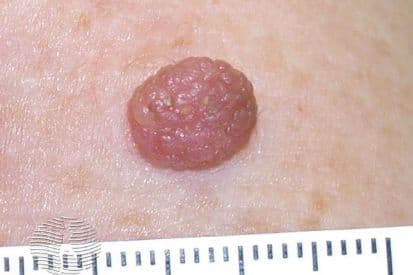
Expert Mole Examination and Treatment at Pinnacle Dermatology Moles are among the most common skin growths and can appear anywhere on the body. These small, dark spots or patches are typically round or oval and can be flat or raised. Moles are usually benign, but it is important to monitor any changes in their size, shape, color, or texture, as these could be signs of skin cancer. Moles can vary in appearance and number, with some people having just a few and others having many. They often emerge during childhood and adolescence and can change over time. Factors such as sun exposure and genetic predisposition can influence the development and changes in moles. It's essential to keep an eye on any changes in existing moles or the appearance of new ones and bring them to the attention of our trusted dermatologists. At Pinnacle Dermatology, our dermatologists and skin experts carefully examine moles to assess any signs of irregularity or changes. They use advanced diagnostic tools to determine whether a mole is benign or requires further evaluation.
What are the Symptoms of Moles?
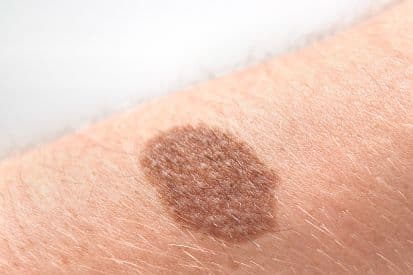
Moles can be either raised or flat.
The surface of the mole can be smooth or wrinkled and some may contain hair.
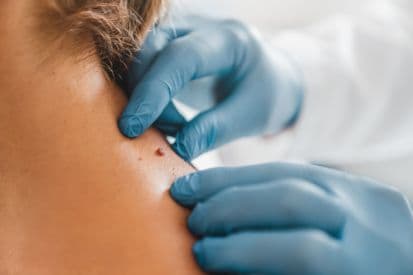
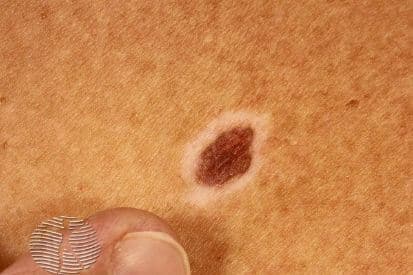
Though generally brown or flesh-colored, moles may also appear tan, black, red or blue.
As the body ages, moles may lighten in color, flat moles may become raised, and some moles may disappear.
Examples of Moles

Causes of Moles
Genetics (Family History): Our genetic code significantly influences mole development.
Sun Exposure: Spending time under the sun contributes to the appearance of moles.
Hormonal Changes: Life events like pregnancy, marked by hormonal fluctuations, can influence the number of moles.
Age: As we age, our skin accumulates more moles.
How to Prevent Moles
Preventing the formation of moles involves adopting simple yet effective habits that prioritize your skin health. Here are some key practices to keep your skin in tip-top shape:
Sun Protection: Shielding your skin from excessive sun exposure is crucial. Make sunscreen with at least SPF 30 a daily habit, even on cloudy days. Wear protective clothing, like hats and long sleeves, and seek shade during peak sunlight hours.
Avoid Tanning Beds: Artificial tanning methods, such as tanning beds, can contribute to the development of moles. Opt for sunless tanning lotions or sprays as a safer alternative if you desire a sun-kissed glow.
Regular Skin Checks: Keep an eye on your skin and monitor any changes in moles. If you notice alterations in size, shape, or color, or if new moles appear, consult one of our trusted skincare specialists promptly. Early detection can be crucial in preventing potential issues.
Avoid Hormonal Fluctuations: While some hormonal changes are natural and inevitable, minimizing exposure to unnecessary hormonal fluctuations, such as those caused by certain medications, can be beneficial.
Remember, while moles are often harmless, staying proactive in your skincare routine and adopting healthy habits can contribute to preventing their formation and ensuring healthy skin and confidence.
How to Treat Moles
While it's generally not medically necessary to remove a benign mole, certain circumstances may require assistance from our dermatologists. Some moles can pose risks and are better off removed. For instance, moles that cause irritation due to constant friction with clothing or those with a significant cosmetic impact, especially when prominently placed on the face, neck, or other visible areas, might be candidates for removal. Our team of dermatology providers can assess the mole's characteristics, considering factors such as size, shape, and color, to determine the most suitable course of action. Professional evaluation is especially vital when dealing with moles that exhibit irregularities or changes over time. Therefore, if you notice any changes in your moles or have specific cosmetic or discomfort-related concerns, consulting your dermatologist is a proactive step toward gaining healthy skin.