
Melanoma
Expert melanoma diagnosis and treatment at Pinnacle Dermatology. Protect your skin with early detection and personalized care from our dermatology specialists.
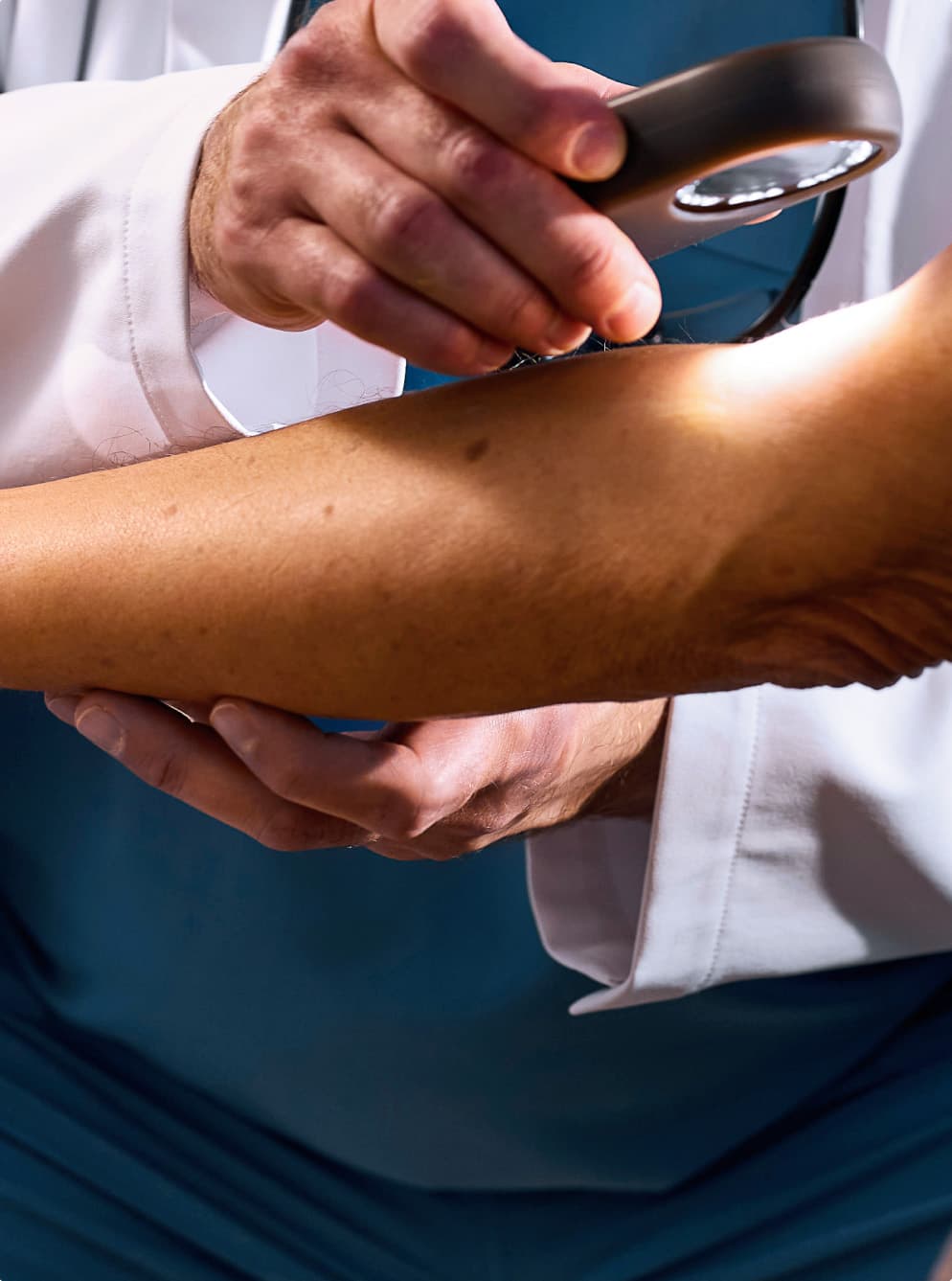

Expert melanoma diagnosis and treatment at Pinnacle Dermatology. Protect your skin with early detection and personalized care from our dermatology specialists.
What is Melanoma?
Melanoma is a dangerous type of skin cancer that occurs in melanocytes, the cells responsible for producing melanin, the pigment that gives skin its color. While melanocytes are primarily found in the skin, they are also present in the bowel, eyes, and other parts of the body. However, the risk of developing melanoma in these areas is significantly lower compared to the skin.
Although melanoma is less common than other forms of skin cancer, it is the deadliest, accounting for approximately 75% of all skin cancer deaths. Each year, about 160,000 new cases of melanoma are diagnosed in the U.S. Excessive exposure to ultraviolet (UV) light greatly increases the risk of developing melanoma.Regular skin checks by a dermatologist are crucial for detecting melanoma early. Dermatologists have the expertise to identify suspicious moles, lesions, or changes in the skin that might indicate melanoma. Equally important are self-exams, where individuals monitor their skin for any alterations in moles' shape, size, color, or the appearance of new spots.
Combining professional evaluations with self-examinations significantly increases the likelihood of early detection. Timely intervention greatly improves the chances of successful treatment and better outcomes for melanoma. This underscores the importance of regular checks by dermatologists and self-exams for maintaining overall skin health.
Symptoms of Melanoma
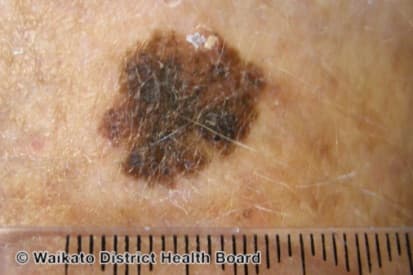
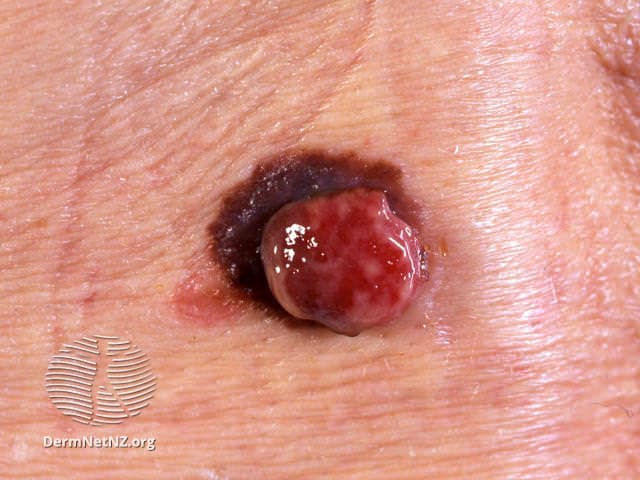
Melanoma most often presents itself with the change of an existing mole, including change of symmetry, color, or shape.
Irregular mole borders - scalloped, wavy, or notched.
Diameter - anything new growing in size.
Moles that itch, ooze or bleed.
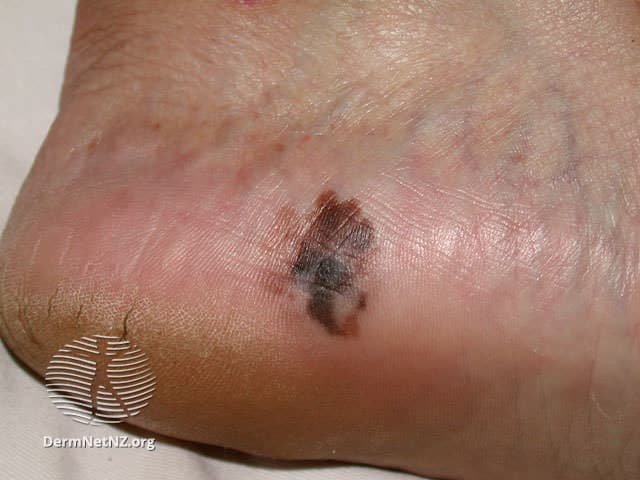
Melanoma can appear on normal skin tissue and does not always start as a mole.
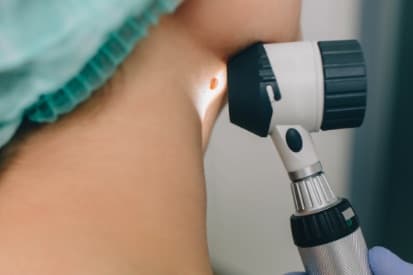
Examples of Melanoma

What Causes Melanoma?
Melanoma is primarily caused by the uncontrolled growth of pigment-producing cells (melanocytes) in the skin.
Melanoma is often triggered by exposure to ultraviolet (UV) radiation from sunlight or tanning beds.
Genetic factors and a history of severe sunburns also contribute to the development of melanoma.
How to Prevent Melanoma
Melanoma prevention starts by using sunscreen with a high SPF, wearing protective clothing, avoiding excessive sun exposure, and getting regular skin checks by a dermatologist to detect and address potential issues early.
Melanoma Treatment Options
We will confirm melanoma through a biopsy and pathological examination and then treat appropriately. Treatment options for melanoma provided by a dermatologist may include surgical procedures to remove the cancerous tissue, such as excision or Mohs surgery. Additionally, your dermatologist may recommend therapies like immunotherapy, targeted therapy, or chemotherapy, depending on the stage and characteristics of the melanoma. Close monitoring, regular skin checks, and collaboration with other specialists ensure effective treatment and reduce the risk of recurrence. If you notice unusual growths on your skin as mentioned above, we highly recommend scheduling an appointment with one of our providers. Annual skin checks are essential for early detection. Early detection and treatment are crucial elements of comprehensive skin cancer care.
Melanoma FAQs

How Pinnacle Dermatology Can Help
If you’re experiencing a skin concern, a consultation with one of our providers is a great first step. Our team will assess your skin condition, discuss what may be causing your symptoms, and help you feel informed and confident about your path to healthier skin.


