
Cysts
Expert diagnosis and treatment for skin cysts at Pinnacle Dermatology. From benign growths to complex lesions, our dermatologists provide personalized care.

Expert diagnosis and treatment for skin cysts at Pinnacle Dermatology. From benign growths to complex lesions, our dermatologists provide personalized care.
A cyst is a broad term for a fluid, semi-fluid-filled, or keratin-containing sac that forms within skin tissue, which can appear anywhere on the body. While some cysts remain small and unnoticeable, others can grow and become cosmetically or functionally problematic if not treated. With hundreds of types of cysts, many are named based on their location, such as ovarian cysts, pancreatic cysts, and pericardial cysts. Most skin cysts are benign and respond well to dermatologic treatments; however, some cyst-like lesions may actually be tumors and could be malignant. At Pinnacle Dermatology, our experienced dermatologists specialize in the accurate diagnosis and personalized treatment of cysts. Whether your cyst is minor and benign or requires more extensive care, our experts are here to provide the highest quality of care. Learn more about cysts below and take the first step towards optimal skin health by scheduling an appointment with Pinnacle Dermatology today.
Examples of Cysts
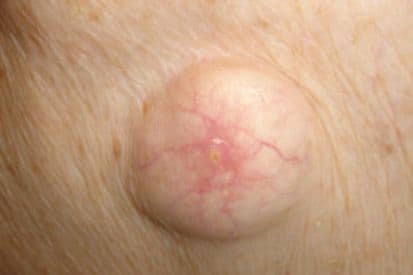
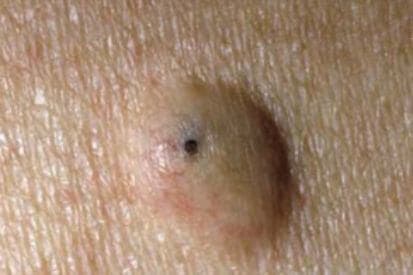
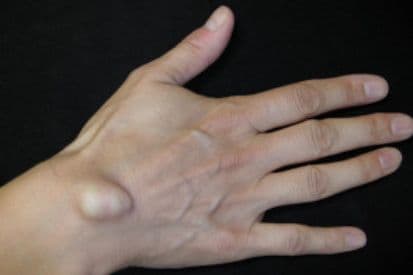
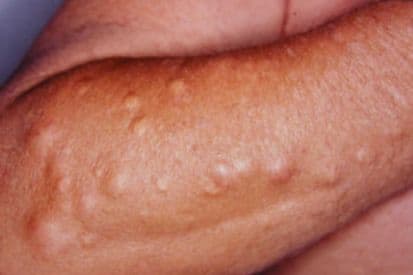
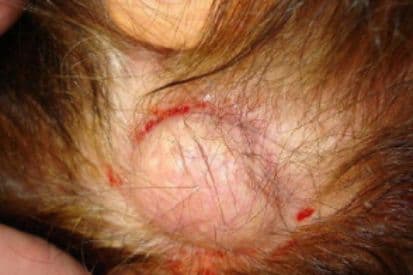
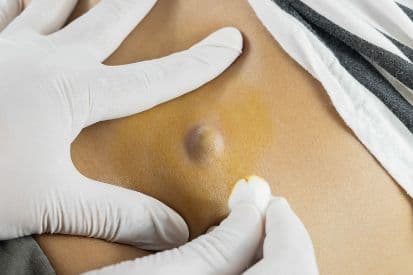
Symptoms of Cysts
An abnormal lump on the surface or just below the skin.
Slow-growing, painless and smooth to the touch when they are rolled under the skin.
Cysts can appear anywhere, but generally appear on the face, neck, trunk and genital area.
What Causes Cysts?
Cysts are caused blockage of ducts or glands in the body.
Infection, leading to the formation of an abscess or cyst.
Chronic inflammatory conditions.
Genetic conditions that predispose individuals to cyst formation.
Certain medications or drugs.
Tumors or developmental abnormalities.
Cyst Prevention
Preventing cysts entirely might not always be possible, especially if they're linked to genetic factors or certain medical conditions. However, there are some general practices that might reduce the likelihood of cyst formation or lower the risk of developing certain types of cysts:
Practice good skin hygiene: reduces the risk of infections that may lead to cysts.
Avoid skin trauma and injuries: minimizes the chances of cyst formation.
Refrain from picking or squeezing the skin: prevents irritation and potential cyst development.
Regularly consult with a dermatologist, especially if you have a history of cysts or notice any skin changes, for personalized preventive care.
FAQS for Cysts
How to Treat Cysts
Preventing cysts entirely might not always be possible, especially if they're linked to genetic factors or certain medical conditions. However, there are some general practices that might reduce the likelihood of cyst formation or lower the risk of developing certain types of cysts:
Practice good skin hygiene to reduce the risk of infections that may lead to cysts.
Avoid skin trauma and injuries to minimize the chances of cyst formation.
Refrain from picking or squeezing the skin to prevent irritation and potential cyst development.
We recommend seeking dermatological advice for early detection and management of skin conditions that could lead to cysts. Consult with one of our dermatologists, especially if you have a history of cysts or notice any skin changes, for personalized preventive care.


